

Recruiting has changed dramatically over the last decade. What was once a largely reactive function built around job postings, resumes, and interviews has evolved into a data-driven discipline focused on workforce intelligence, market visibility, and strategic planning.
Today’s recruiting teams are expected to do more than fill open positions. They are responsible for identifying talent trends, understanding labor market conditions, anticipating hiring challenges, and helping organizations make smarter workforce decisions.
As a result, job data has become one of the most valuable resources available to modern talent acquisition teams. Every job posting contains signals about hiring demand, workforce growth, skill requirements, and business priorities. When analyzed at scale, these signals can provide insights that extend far beyond recruitment.
This shift explains why organizations are increasingly transforming job posting data into hiring intelligence.
The Hiring Visibility Problem
One of the biggest challenges facing recruiting teams is the lack of visibility into rapidly changing labor markets.
Most organizations have access to internal hiring data. They know which positions are open, how long roles remain unfilled, and where hiring bottlenecks exist. However, understanding what is happening outside the organization is often much more difficult.
Recruiters need answers to important questions.
Which skills are becoming more valuable?
Which companies are expanding their workforce?
How competitive is the talent market?
Where are hiring trends shifting?
Without access to broader workforce signals, recruiting decisions are often based on limited information.
This creates a significant disadvantage in competitive hiring environments where talent shortages, changing skill requirements, and workforce mobility can quickly impact recruiting outcomes.
Why Job Postings Are More Valuable Than Many Teams Realize
Most people view job postings simply as hiring advertisements. In reality, they represent a continuous stream of workforce intelligence.
Every open position reveals information about a company’s priorities, growth plans, and talent needs.
A surge in engineering roles may indicate product expansion. Increased hiring in customer support may reflect rapid customer growth. New leadership positions can signal organizational restructuring or market expansion.
When analyzed collectively, job postings help reveal patterns that individual listings cannot.
Recruiting teams can identify emerging skill requirements, monitor talent demand across industries, and better understand how workforce needs are evolving over time.
This information helps organizations move from reactive hiring to proactive workforce planning.
How Recruiting Teams Turn Job Data Into Hiring Intelligence
Raw job data alone provides limited value.
The real advantage comes from transforming that information into actionable intelligence that supports business decisions.
Modern recruiting teams increasingly use hiring data to improve several key functions.
Talent Market Analysis
Recruiters use job posting data to understand talent demand within specific industries, locations, and job categories.
By tracking hiring activity over time, organizations can identify where competition for talent is increasing and which skills are becoming more difficult to source.
Consider a technology company planning to expand its engineering team. By analyzing hiring activity across similar organizations, recruiters can identify which programming skills are becoming more competitive, which geographic markets have stronger talent availability, and where compensation pressures are increasing. These insights help organizations adjust recruiting strategies before talent shortages impact hiring goals.
This information supports more effective recruiting strategies and workforce planning efforts.
Competitive Hiring Intelligence
Organizations increasingly monitor hiring activity across competitors and peer companies.
A significant increase in hiring can indicate expansion initiatives, new product development, or market growth. Changes in job requirements can reveal evolving skill priorities and workforce strategies.
For example, if multiple competitors suddenly increase hiring for artificial intelligence engineers, data scientists, or cybersecurity specialists, recruiting teams gain an early signal that demand for those skills is rising. This visibility allows organizations to adjust sourcing strategies, strengthen talent pipelines, and prepare for increased competition before market conditions become more challenging.
These insights help recruiting teams anticipate market changes before they become obvious.
Workforce Planning
Hiring intelligence helps organizations align recruiting strategies with future business needs.
Rather than responding only to immediate vacancies, companies can use workforce data to forecast hiring demand, identify potential talent gaps, and prepare for future growth initiatives.
This approach improves long-term workforce planning and reduces recruiting risks.
Skill Trend Monitoring
The skills requested in job postings often provide an early indication of changing market demands.
By analyzing these trends, recruiting teams can identify emerging competencies, adjust hiring criteria, and improve talent acquisition strategies before skill shortages become more widespread.
From Raw Job Data to Actionable Insights
Collecting information is only the first step.
The true value of hiring intelligence comes from enrichment, analysis, and interpretation.
Modern recruiting platforms often combine job posting information with company data, workforce trends, and market signals to create a more comprehensive view of hiring activity.
For example, a single job posting may indicate an open position. However, when combined with hiring patterns across multiple departments, employee growth trends, and workforce expansion signals, it can reveal a much broader story about organizational priorities.
This additional context transforms isolated data points into meaningful business intelligence.
As recruiting becomes increasingly strategic, the ability to extract insights from large volumes of hiring data is becoming a competitive advantage.
The Role of LinkedIn Jobs APIs in Modern Recruiting Workflows
As demand for hiring intelligence grows, recruiting technology platforms need efficient ways to access and organize job posting information.
A LinkedIn Jobs API can help support this process by enabling recruiting platforms, talent intelligence solutions, and workforce analytics systems to retrieve structured job-related information that can be integrated into broader workflows.
For recruiting teams, this data can support market research, hiring trend analysis, talent mapping, and workforce planning initiatives.
For software providers, job data can help power dashboards, analytics platforms, and recruiting tools that provide deeper visibility into labor market activity.
The value is not simply in accessing job postings. The value lies in transforming job data into information that supports better decision-making.
This is why many organizations increasingly view hiring data as a strategic business asset rather than a recruitment resource alone.
What Recruiting Teams Are Building Today
The growing importance of hiring intelligence is influencing the next generation of recruiting technology.
Organizations are investing in tools that help them move beyond traditional recruiting workflows and gain deeper workforce visibility.
Hiring Intelligence Dashboards
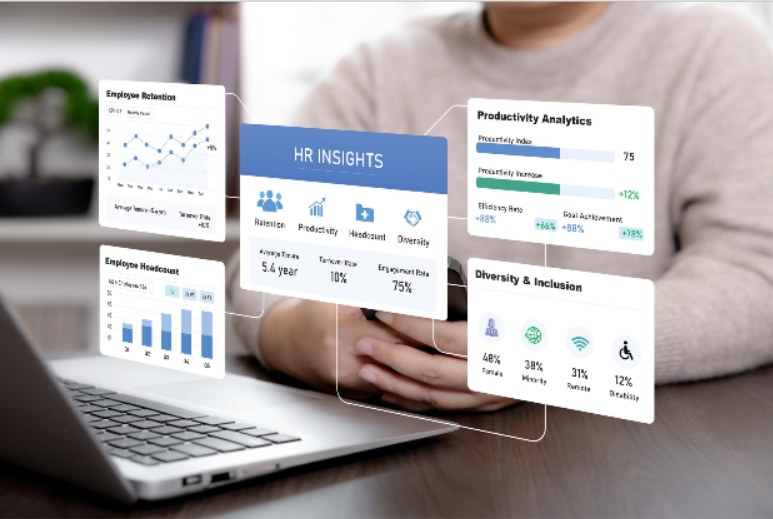
These systems aggregate hiring activity, talent demand, and workforce trends into a centralized view that supports decision-making across recruiting and leadership teams.
Talent Intelligence Platforms
Modern talent intelligence solutions help organizations identify skill trends, monitor labor markets, and understand competitive hiring activity at scale.
Workforce Analytics Systems
Companies increasingly use workforce analytics platforms to measure hiring performance, forecast future demand, and identify emerging talent challenges.
Recruitment Automation Workflows
Automation tools help recruiting teams streamline repetitive processes while improving access to workforce insights and hiring intelligence.
Together, these technologies are helping organizations build more proactive and data-driven recruiting functions.
Conclusion
Recruiting is rapidly evolving from an operational function into a strategic intelligence capability. Organizations are no longer competing solely on compensation or employer branding. They are increasingly competing on how effectively they understand talent markets, workforce trends, and hiring opportunities before their competitors do.
Job postings have evolved from simple hiring advertisements into valuable sources of workforce insight. When organizations analyze hiring activity at scale, they gain a deeper understanding of talent demand, skill trends, competitive hiring activity, and workforce growth.
As recruiting technology continues to evolve, hiring intelligence will become an increasingly important part of workforce strategy. Organizations that can transform job data into actionable insights will be better positioned to attract talent, anticipate market changes, and make more informed hiring decisions.
The future of recruiting belongs to teams that can turn information into intelligence, and job data is becoming one of the most important building blocks of that transformation.
