

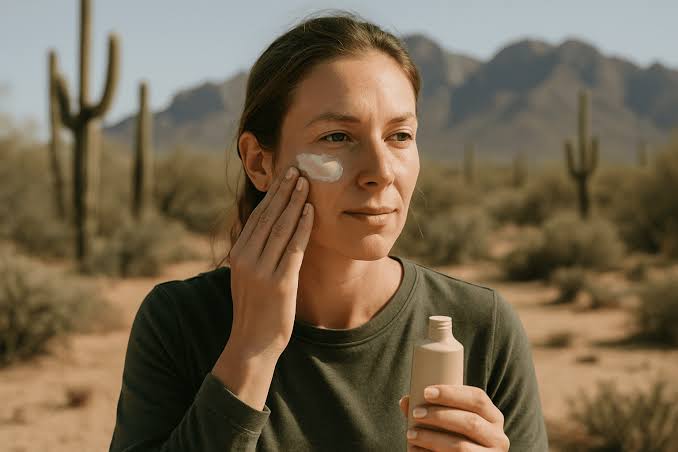
Living in the Arizona desert offers abundant sunshine, vibrant landscapes, and warm weather year-round. However, the region’s hyper-arid environment presents unique challenges for skin health. With relative humidity often dropping into single digits and relentless solar exposure, the desert air acts as a constant sponge, pulling moisture directly out of the skin.
Persistent dryness does more than cause uncomfortable tightness or flaking. Chronic moisture loss weakens the protective skin barrier, making it more vulnerable to environmental irritants, premature aging, and inflammatory flare-ups. Managing dry skin in a desert climate requires understanding how atmospheric conditions affect skin physiology, adopting targeted daily skincare habits, and incorporating clinical aesthetic treatments to restore deep hydration.
The Physiology of Desert Skin Dehydration
To effectively treat dry skin, it is essential to distinguish between dehydrated skin and dry skin:
- Dry Skin: A genetic skin type characterized by a lack of natural oils (lipids) produced by the sebaceous glands.
- Dehydrated Skin: A skin condition characterized by a lack of water content within the stratum corneum, the outermost layer of the epidermis.
In Arizona, almost everyone experiences environmental dehydration regardless of their natural skin type. The combination of extremely low humidity and intense heat accelerates Trans-Epidermal Water Loss (TEWL). When water rapidly evaporates from the epidermis, the intercellular matrix shrinks, breaking down the lipid barrier that locks in moisture and keeps irritants out.
This continuous loss of moisture leads to several visible and structural symptoms:
- Fine lines and surface crepiness that appear more pronounced.
- Persistent tightness, itching, and scaling.
- Dull, uneven skin tone caused by a buildup of dead surface cells.
- Increased sensitivity and redness due to a compromised skin barrier.
Daily At-Home Strategies for Desert Moisture Retention
Rebuilding and sustaining skin hydration in an arid climate requires an intentional approach to daily skincare. Simply applying a lightweight lotion is rarely enough to counteract atmospheric water loss.
1. Layer Hydration: Humectants First, Occlusives Second
Effective desert skincare relies on a two-step hydration strategy. First, apply humectants such as hyaluronic acid, glycerin, and sodium PCA onto damp skin to draw water into epidermal cells. Second, immediately follow with an emollient or occlusive cream containing ceramides, squalane, fatty acids, or shea butter. These richer ingredients create a protective seal over the skin, locking humectants in and preventing rapid evaporation into the dry air.
2. Switch to Gentle, Hydrating Cleansers
Harsh foaming cleansers and high-pH soaps strip natural oils from the skin, destabilizing the lipid barrier. Switch to cream-based, non-foaming, or oil-based cleansers that remove impurities without disrupting the skin’s natural moisture balance. Avoid using hot water when washing your face or showering, as high temperatures melt protective lipids and accelerate dehydration.
3. Maintain Broad-Spectrum Sun Protection
Sun damage directly weakens the epidermal barrier, making it harder for skin to retain moisture. Apply a broad-spectrum sunscreen with an SPF of 30 or higher daily. Mineral sunscreens containing zinc oxide or titanium dioxide are particularly gentle on dry, compromised skin, providing physical protection against UV rays while reducing inflammatory heat responses.
4. Optimize Your Indoor Environment
Air conditioning during hot summers and heating during cooler winter nights further reduce indoor humidity levels. Running a cool-mist humidifier in bedrooms or primary living spaces adds essential moisture back into the air, helping skin stay hydrated overnight.
Clinical Treatments for Deep Skin Hydration
While a disciplined home routine protects surface layers, restoring deep dermal moisture and repairing a damaged barrier often requires professional aesthetic intervention. Advanced clinical procedures deliver intensive hydration, clear away dull surface cells, and stimulate natural repair mechanisms.
When seeking professional skin care guidance, scheduling a specializeddry skin treatment Scottsdale provides access to advanced aesthetic modalities designed to replenish compromised skin:
- Hydrating Medical Facials: Custom clinical facials use vortex technology or ultrasonic infusion to deep-cleanse pores, exfoliate dead surface cells, and infuse concentrated serums rich in hyaluronic acid, antioxidants, and peptides directly into the skin.
- Gentle Chemical Peels: Lactic acid and glycolic acid peels gently dissolve the bonds holding dry, dead skin cells together without causing harsh shedding. Removing this outer layer improves texture and allows hydrating topical products to penetrate deeper.
- Microneedling with Hydrating Serums: Creating micro-channels in the dermal layer stimulates natural collagen production while allowing deep delivery of restorative growth factors and hydrating compounds.
- LED Light Therapy: Red light therapy reduces inflammation, calms redness, and encourages cellular repair, helping compromised skin heal faster and maintain barrier function.
Conclusion
Managing dry skin in the Arizona desert requires a balance of daily barrier protection and clinical care. By understanding how low humidity and solar exposure accelerate moisture loss, you can adapt your daily routine with hydrating serums, rich barrier creams, and broad-spectrum sun protection. Combined with periodic professional treatments, this comprehensive strategy ensures your skin remains smooth, resilient, and deeply hydrated year-round.
