


Introduction
In today’s fast-evolving transportation landscape, a mobility services engine plays a crucial role in connecting various modes of travel into a seamless and efficient system. At its core, a mobility services engine is a sophisticated mobility platform designed to manage, integrate, and optimize multiple transportation options—ranging from ride-sharing and bike rentals to public transit and electric scooters. Acting as the backbone of a comprehensive mobility management system, it enables cities, businesses, and service providers to deliver smarter, more flexible mobility solutions that meet the demands of modern users.
As urban areas become more congested and the need for sustainable transportation grows, the importance of an effective mobility services engine cannot be overstated. It not only improves the user experience by providing a unified, accessible platform but also empowers operators to enhance efficiency, reduce costs, and promote greener mobility alternatives. In this article, we will explore what a mobility services engine is, its key features, benefits, and how it is shaping the future of transportation.
What is a Mobility Services Engine?
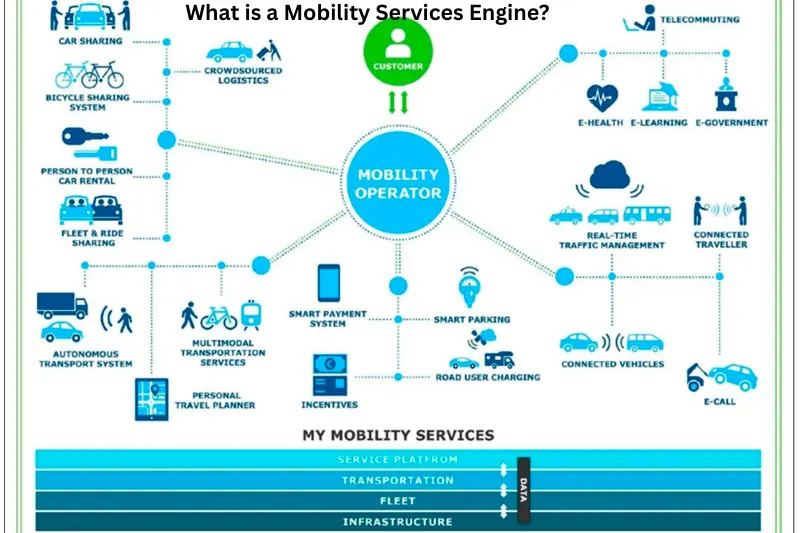
A mobility services engine is an advanced software platform that integrates various transportation modes and services into a single, unified system. Unlike traditional transportation management tools that focus on a single mode, a mobility services engine orchestrates multiple mobility options—such as ride-sharing, car rentals, bike-sharing, electric scooters, and public transit—into one seamless experience for users.
This integration allows users to plan, book, and pay for their trips across different modes through a single interface, simplifying urban travel and enhancing convenience. Additionally, the engine provides operators with real-time data, analytics, and operational control to optimize service delivery and improve resource allocation.
As a central component of modern mobility management systems, mobility services engines enable cities and businesses to adopt flexible, scalable, and user-centric transportation solutions. They form the technological foundation for innovations like mobility-as-a-service (MaaS), smart city initiatives, and sustainable urban mobility strategies.
Key Features of a Mobility Services Engine
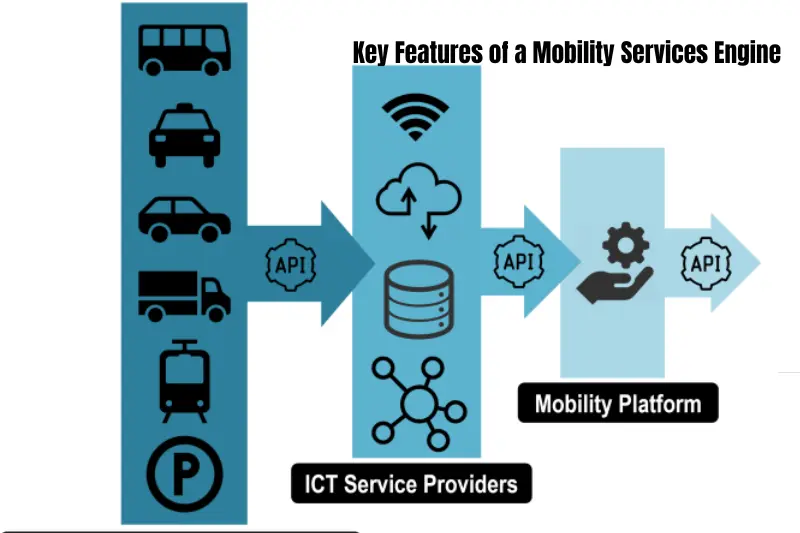
A robust mobility services engine comes equipped with several critical features that empower operators and enhance user experience:
- Real-time Tracking and Analytics: Enables continuous monitoring of vehicles and mobility assets, offering valuable insights into usage patterns, demand forecasting, and operational efficiency.
- Multi-modal Integration: Seamlessly connects different transportation modes—such as bikes, scooters, cars, and public transit—allowing users to plan and execute multi-step journeys without hassle.
- Payment and Billing Systems: Supports diverse payment methods and automates billing processes, ensuring smooth transactions and transparent pricing for users and providers alike.
- User Management and Personalization: Offers personalized travel recommendations, loyalty programs, and profile management to improve customer satisfaction and retention.
- Scalability and Flexibility: Designed to accommodate growing fleets, expanding service areas, and integration with new mobility options as they emerge.
These features collectively make a mobility services engine an indispensable mobility platform that drives smarter, more connected, and efficient transportation ecosystems.
Benefits of Using a Mobility Services Engine
Implementing a mobility services engine offers numerous advantages for both operators and users, transforming how transportation services are delivered and experienced:
- Improved Operational Efficiency: By providing centralized control and real-time data, the engine helps optimize vehicle deployment, reduce downtime, and streamline fleet management.
- Enhanced User Experience: Users benefit from a seamless, convenient interface that integrates multiple mobility options, simplifying trip planning and payment.
- Scalability and Flexibility: The platform adapts easily to growing demand, new mobility modes, and evolving market needs, ensuring long-term sustainability.
- Cost Savings: Automation of billing, reporting, and operational tasks reduces administrative overhead and operational costs.
- Promotes Sustainable Mobility: By enabling integrated, multi-modal travel, mobility services engines encourage the use of eco-friendly transportation options, helping to reduce congestion and emissions.
As part of a comprehensive smart mobility solution, a mobility services engine supports the shift towards more efficient, user-centric, and environmentally responsible urban transportation.
How Mobility Services Engines Power Smart Cities
Mobility services engines are at the heart of the transformation toward smart cities, where technology drives more efficient, sustainable, and user-friendly urban transportation. By integrating diverse mobility options into a cohesive platform, these engines enable cities to manage traffic flow better, reduce congestion, and lower carbon emissions.
With real-time data analytics and adaptive management, mobility services engines help city planners and operators make informed decisions about infrastructure, public transit scheduling, and resource allocation. They also facilitate the adoption of innovative transportation models such as mobility-as-a-service (MaaS), which offers residents flexible and personalized travel options.
Moreover, by supporting multi-modal journeys—from bikes and scooters to buses and ride-sharing—these engines promote greener travel alternatives and reduce reliance on private cars. This shift is essential for creating urban environments that prioritize accessibility, sustainability, and quality of life.
In essence, mobility services engines act as the technological backbone of smart city initiatives, enabling seamless, efficient, and eco-friendly transportation networks.
Popular Use Cases of Mobility Services Engines
The versatility of a mobility services engine makes it suitable for a wide range of applications across urban and suburban transportation. Here are some of the most common use cases:
- Ride-Sharing and Carpooling Platforms: Mobility services engines power apps and platforms that connect riders with drivers, optimizing routes, pricing, and vehicle allocation for efficient, on-demand transportation.
- Bike and Scooter-Sharing Systems: These engines manage fleets of shared micro-mobility vehicles, enabling users to locate, unlock, and pay for bikes or scooters through a single platform.
- Public Transit Ticketing Integration: Mobility services engines facilitate unified ticketing solutions, allowing passengers to plan multi-modal journeys and pay seamlessly across buses, trains, and trams.
- Corporate and Campus Mobility Solutions: Organizations use mobility engines to offer employee shuttle services, car-sharing, and other transport options that reduce parking demand and promote sustainability.
Through these use cases, mobility services engines drive the adoption of shared mobility and mobility-as-a-service (MaaS) models, making urban transportation more accessible, affordable, and environmentally friendly.
Choosing the Right Mobility Services Engine for Your Business
Selecting the ideal mobility services engine is a critical decision that can significantly impact your transportation operations and customer satisfaction. Here are key factors to consider when choosing a mobility platform:
- Scalability: Ensure the engine can grow with your business, handling increasing user numbers, expanding fleets, and new service areas without compromising performance.
- Compatibility and Integration: Look for a platform that easily integrates with your existing infrastructure, payment gateways, and third-party services to create a seamless operational ecosystem.
- Security and Compliance: Data protection and regulatory compliance are paramount, especially when handling user information and payment transactions. Choose a provider with robust security measures.
- Customization and Flexibility: Your mobility needs may be unique; the platform should allow customization to tailor services, features, and user experiences to your specific requirements.
- Support and Maintenance: Reliable technical support and regular updates are essential for smooth operations and adapting to evolving market demands.
By carefully evaluating these factors, businesses can select a mobility platform that not only meets their current needs but also supports innovation and long-term growth in the fast-changing mobility landscape.
Future Trends in Mobility Services Engines
The landscape of mobility services engines is continuously evolving, driven by technological advancements and changing user expectations. Here are some key trends shaping the future of mobility platforms:
- Artificial Intelligence and Machine Learning: AI-powered analytics and predictive models will enhance route optimization, demand forecasting, and personalized user experiences, making mobility more efficient and responsive.
- Autonomous Vehicle Integration: As self-driving technology matures, mobility services engines will increasingly incorporate autonomous vehicles, transforming ride-sharing and public transit services.
- Sustainability Focus: There will be a stronger emphasis on integrating electric and low-emission vehicles, supporting greener transportation options aligned with global sustainability goals.
- Enhanced Connectivity: 5G and IoT technologies will enable real-time data exchange and smarter fleet management, improving responsiveness and operational agility.
- Expanded Mobility-as-a-Service (MaaS): Mobility services engines will play a central role in MaaS ecosystems, offering more comprehensive, user-centric mobility packages that combine various transport modes under one subscription or payment system.
By staying ahead of these trends, businesses and cities can leverage mobility services engines to deliver cutting-edge, sustainable, and efficient transportation solutions.
Conclusion
In a world where urban mobility is becoming increasingly complex, the mobility services engine stands out as a vital tool for simplifying and enhancing transportation systems. By integrating multiple modes of travel into a unified platform, it enables cities, businesses, and service providers to offer more efficient, flexible, and sustainable mobility solutions.
From improving operational efficiency to promoting greener travel and powering smart city initiatives, a well-designed mobility services engine is the cornerstone of modern mobility management systems. As technology continues to advance, embracing these platforms will be essential for staying competitive and meeting the evolving needs of urban travelers.
If you’re ready to transform your transportation services and join the future of smart mobility, exploring mobility services engines is the next step toward innovation and growth.
