

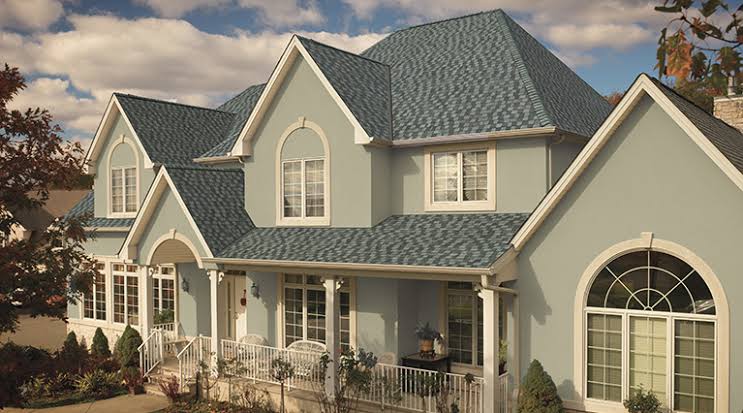
Selecting a roof color is one of the most impactful aesthetic decisions a homeowner makes during an exterior remodeling or replacement project. Because the roof accounts for up to forty percent of a home’s visible exterior, the chosen shade directly influences curb appeal, architectural cohesion, and resale value. Beyond visual design, color selection plays a practical role in home energy performance and long-term surface durability. Evaluating architectural style, regional climate, local housing guidelines, and material technology ensures a balanced choice that enhances both beauty and functional performance.
Architectural Harmony and Exterior Color Palette
A roof color should complement the fixed structural elements of a home rather than compete with them. Brick, stone, masonry, and siding materials carry distinct undertones that guide the ideal roofing palette.
Matching Roof Tones to Siding and Masonry
When selecting a shade, consider the warmth or coolness of existing exterior materials:
- Warm Exterior Tones: Houses featuring beige, tan, warm cream, yellow, or red brick pairs naturally with roofing in warm brown, weathered timber, or multi-tonal terracotta shades.
- Cool Exterior Tones: Light gray, slate blue, bright white, or stark stone exteriors align cleanly with dark charcoal, slate gray, black, or deep blue-gray roofing materials.
- Neutral and Versatile Materials: Natural stone work often contains a mix of gray, cream, and brown accents. Selecting a multi-tonal asphalt shingle or variegated tile that incorporates those secondary flecks unifies the entire exterior design.
Architectural Style Traditions
Traditional architectural styles often dictate specific color schemes:
- Colonial and Craftsman Homes: Classic dark gray, charcoal, or deep brown tones reinforce traditional symmetry and solid lines.
- Spanish, Mediterranean, and Southwestern Styles: Terracotta reds, burnt oranges, and warm clay hues reflect authentic regional heritage.
- Modern and Farmhouse Aesthetics: High-contrast combinations, such as dark charcoal or matte black roofs paired with white or light gray board-and-batten siding, create sharp, clean exterior lines.
Thermal Performance and Energy Efficiency
Roof color significantly impacts how a structure absorbs and reflects solar radiation. Darker surfaces naturally absorb more radiant heat, while lighter surfaces reflect a higher percentage of sunlight back into the atmosphere.
Solar Reflectance and Heat Absorption
In warmer climates, dark-colored roofs can reach extreme surface temperatures during summer afternoons. This heat transfers down through the decking into the attic space, forcing air conditioning systems to work harder to maintain comfortable interior temperatures. Lighter colors reflect a higher percentage of solar energy, helping lower surface temperatures and reduce cooling demands.
Cool Roof Technologies and Modern Granules
Homeowners are no longer strictly limited to light cream or bright white to achieve energy savings. Modern manufacturing technologies utilize specialized reflective granules on darker asphalt shingles, metal panels, and composite tiles. These granules reflect invisible infrared solar rays without altering the visible pigment, allowing homeowners to select popular dark gray or black aesthetics while benefiting from enhanced solar reflectance.
Neighborhood Context and HOA Regulations
Individual preferences must align with community standards and neighboring aesthetics to maintain cohesive neighborhood appeal.
Homeowners Association Guidelines
Many planned communities and homeowners associations enforce specific architectural guidelines regarding exterior building materials. These regulations often specify an approved palette of roofing shades or restrict overly bold colors to preserve community continuity. Reviewing HOA bylaws prior to purchasing materials prevents costly compliance issues.
Neighborhood Continuity and Resale Considerations
While a unique roof color can personalize a home, choice should still harmonize with surrounding properties. Selecting an overly vibrant or non-traditional shade can make a house stand out inappropriately within a cohesive neighborhood, potentially narrowing the pool of prospective buyers during resale. Neutral, multi-tonal shades generally appeal to the broadest audience while offering timeless visual balance.
Evaluating Visual Samples Under Real Lighting
Color swatches and digital renderers provide a helpful starting point, but materials should always be evaluated in person under natural lighting conditions. Sunlight intensity shifts throughout the day, altering how pigments appear on a surface.
To accurately evaluate options:
- Obtain Physical Material Samples: Request sample boards or loose shingles from the manufacturer to observe actual texture and pigment density.
- Observe Samples at Different Hours: View samples against the home’s exterior wall in morning sunlight, direct midday sun, and late afternoon shadow.
- Account for Slope and Roof Pitch: Steep-slope roofs display color more prominently than low-pitch structures, making multi-tonal variations appear more pronounced from street level.
When coordinating material samples with siding, brick, and window trim, exploring currentnew roof colors allows property owners to visualize how different dimensional shades, high-definition granule blends, and modern profiles enhance overall home design.
Long-Term Durability and Appearance
Roofing materials age over time due to weather exposure, UV radiation, and atmospheric accumulation. Considering how different shades hold up over decades ensures satisfaction long after installation.
- Camouflaging Minor Imperfections: Multi-tonal shingles containing varied flecks of black, gray, or brown are exceptionally forgiving, helping mask minor debris, dust, or environmental wear between rainfalls.
- Algae Resistance: In humid regions, dark streaks caused by airborne blue-green algae can mar light-colored roofs. Choosing materials integrated with copper-infused, algae-resistant granules helps prevent discoloration and maintains clean curb appeal.
A well-chosen roof color unites architectural elements, supports home energy efficiency, and delivers lasting visual satisfaction for decades to come.
