

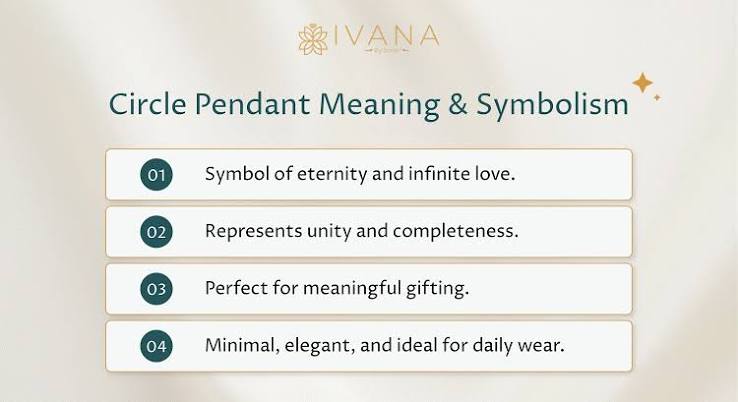
Jewelry designs that endure across generations often rely on elemental geometric forms, and few shapes carry as much universal significance as the circle. Lacking a beginning or an end, circular motifs across art and adornment represent continuity, wholeness, balance, and infinity. In modern jewelry craft, circular neckwear translates these timeless concepts into versatile, wearable art that transitions seamlessly from everyday casual settings to formal evening occasions. Beyond their symbolic weight, circular designs offer unique structural advantages in how they sit against the neckline, balance gemstone weight, and frame light reflections. Understanding the design variations, gemstone configurations, and structural elements of these classic pieces enables wearers to choose a pendant that aligns with their personal style while offering lasting durability and refined elegance.
The Cultural and Design Significance of the Circular Form
Throughout history, the unbroken loop has served as an emblem of eternal connection, cycle, and harmony. When integrated into fine jewelry, this simple silhouette transforms abstract symbolism into a personal statement. The symmetry of a circle creates a calming visual balance that draws the eye inward, making it an ideal focal point for neckwear.
From an aesthetic perspective, circular forms complement a wide array of necklines and wardrobe styles. Unlike angular geometries that may conflict with certain patterns or garment cuts, the soft, continuous curves of a ring silhouette soften tailored looks and add a refined touch to relaxed outfits. This adaptability explains why the design remains a cornerstone choice for milestone gifts, anniversary commemorations, and self-purchased signature pieces.
Key Styles and Structural Configurations
Jewelry artisans utilize various mounting techniques and profile thicknesses to transform the classic loop into distinct visual expressions. Exploring primary design categories helps buyers determine which configuration best suits their aesthetic preferences.
Solitaire and Open Loop Motifs
Open-center designs emphasize clean negative space, creating a delicate floating effect on the collarbone. These pieces can feature smooth polished metal or a continuous channel of pavé-set stones along the outer rim. The open center allows skin tones and clothing fabrics to show through, creating a light, airy presence.
Concentric and Interlocking Bands
Multi-ring designs feature overlapping or nested circles that move independently or remain fixed in a interlocked configuration. This style frequently symbolizes linked lives, shared journeys, or interconnected memories, adding narrative depth to the physical piece.
Medallion and Disk Silhouettes
Solid or semi-solid disk motifs provide a substantial surface area for intricate metalwork, including hand-engraved details, relief patterns, or pave gemstone pavings. Disks offer a heavier visual presence and a tactile, weighted feel against the chest.
Gemstone Settings and Metal Choices
The interaction between precious metals and set gemstones determines a pendant’s radiance, texture, and structural longevity. Selecting complementary materials ensures the piece remains brilliant over years of continuous wear.
| Material or Setting Style | Aesthetic Profile | Practical Considerations |
| Prong-Set Diamonds | Maximizes light exposure from multiple angles for classic brilliance | Requires periodic prong checks to ensure stone security |
| Channel Setting | Smooth outer borders with stones set flush between metal walls | Highly protective for active daily wear; prevents snagging |
| Bezel Setting | Modern, sleek metal rim enclosing the gemstone perimeter | Offers maximum edge protection and a crisp, contemporary look |
| Warm Yellow or Rose Gold | Rich, classic warmth that highlights vintage or textured motifs | Pair with near-colorless diamonds for a soft, harmonious contrast |
When exploring curated neckwear options, reviewing collections ofcircle pendants demonstrates how subtle variations in metal tone, stone scale, and frame width drastically alter the mood and presence of a circular design.
Proportion, Chain Selection, and Wearability
Achieving optimal comfort and visual impact involves matching the pendant size to the correct chain style and length. Because circular designs naturally draw focus to the center of the chest, chain proportion plays a crucial role in overall balance.
To ensure proper alignment and daily comfort:
- Match Chain Gauge to Pendant Weight: Delicate open loops pair well with thin cable or box chains, whereas solid medallions require sturdier chains to support their weight safely.
- Select the Right Length: Standard 16-inch to 18-inch chains position small to mid-sized pendants neatly near the collarbone, while larger Statement medallions sit better on 20-inch to 24-inch chains.
- Check Bale Orientation: The connection loop or bale should allow the pendant to slide smoothly along the chain without flipping sideways or twisting during movement.
Care and Preservation Guidelines
Maintaining the luster and polish of fine circular jewelry requires simple, consistent routine care. Oils from skin, hair products, and cosmetics can accumulate behind stone mountings and inside channel crevices, dampening brilliance over time.
Clean the piece regularly using warm water, mild liquid dish soap, and a soft-bristled brush, gently clearing debris from the back of setting cavities. Dry thoroughly with a microfiber polishing cloth. When storing the pendant, keep it in a soft pouch or separate compartment to prevent metal chains from scratching polished surfaces or tangling around delicate prong work.
A Lasting Expression of Elegance
Circular neckwear continues to be a favorite choice in fine jewelry due to its blending of timeless symbolism, visual symmetry, and everyday versatility. By taking into account design construction, metal durability, and proper proportioning, wearers can select a meaningful piece that offers lasting beauty and understated sophistication for any occasion.
