


Introduction:
In today’s fast-paced world, technology is no longer just a tool—it has become a key driver of economic growth and development. Understanding technology definition in economics helps us see how innovations, digital advancements, and new tools influence productivity, industry, and overall economic progress. From the industrial revolution to the rise of artificial intelligence, technology has continuously reshaped the way economies operate, creating both opportunities and challenges.
In this article, we will explore the role of technology in economics, its impact on growth, the different types of technological advancements, and what the future might hold. Whether you are a student, entrepreneur, or simply curious about the intersection of technology and economy, this guide will provide clear insights and practical examples to help you understand this ever-evolving relationship.
Why Technology in Economics is Important
Understanding the role of technology in economics is crucial because it shapes how countries, businesses, and individuals grow and thrive. Technology is not just about gadgets or software—it directly affects productivity, innovation, and overall economic progress. Here’s why it matters:
Boosts Productivity and Efficiency
- Technology allows businesses to produce more in less time.
- Automation and advanced tools reduce errors and save costs.
Drives Economic Growth
- Innovation leads to new products and services, increasing market opportunities.
- Technological advancement contributes to higher GDP and national development.
Creates New Jobs and Industries
- While some jobs may be replaced, technology opens up new career paths in IT, AI, renewable energy, and more.
- Encourages entrepreneurship and startups.
Promotes Global Competitiveness
- Countries that adopt advanced technology stay ahead in global markets.
- Businesses using innovative technology attract more customers and investments.
Improves Quality of Life
- Easier access to services, faster communication, and better healthcare solutions.
- Technology makes daily tasks simpler and more efficient.
Supports Sustainable Development
- Green technology reduces environmental impact while maintaining economic growth.
- Encourages responsible resource management.
Types of Technology Impacting Economics
Technology influences the economy in many ways, and understanding the different types helps us see its real impact. Here are the main categories:
Production Technology
- Includes machinery, robotics, and automation used in manufacturing and industry.
- Helps produce goods faster, cheaper, and with better quality.
- Example: Automated factories reducing human errors and increasing output.
Information Technology (IT)
- Computers, software, internet platforms, and digital tools.
- Improves communication, data management, and decision-making in businesses.
- Example: Online marketplaces allowing small businesses to reach global customers.
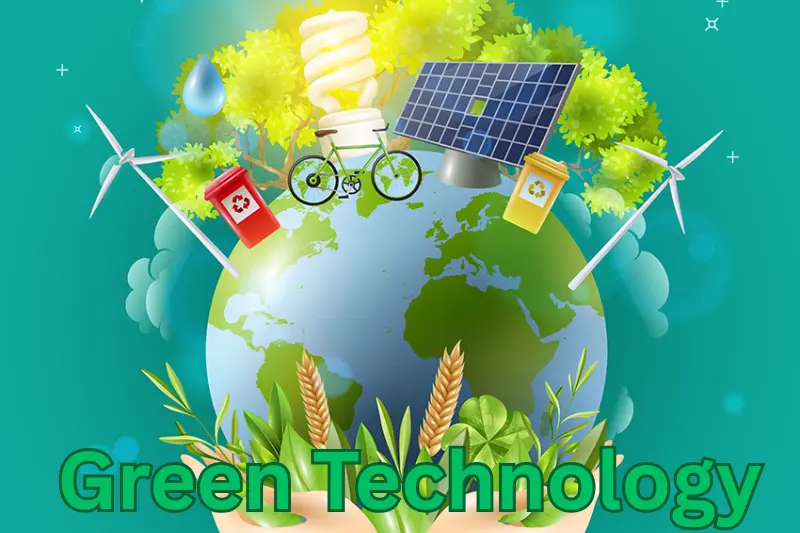
Green Technology
- Renewable energy, eco-friendly manufacturing, and sustainable solutions.
- Balances economic growth with environmental responsibility.
- Example: Solar-powered factories lowering energy costs while reducing carbon footprint.
Artificial Intelligence and Automation
- AI, machine learning, and smart systems improving efficiency in various sectors.
- Supports better forecasting, personalized services, and optimized operations.
- Example: AI-driven supply chains reducing waste and delivery times.
Digital Platforms and FinTech
- Mobile banking, payment apps, e-commerce platforms, and digital services.
- Makes financial transactions faster, safer, and more accessible.
- Example: Online payment systems helping small businesses scale quickly.
Step-by-Step Guide to Understanding Technology Definition in Economics
- Understanding the relationship between technology and economics can seem complex, but breaking it down into simple steps makes it easier. Follow this guide to grasp the concept fully:
Step 1: Understand What Technology Means in Economics
Technology in economics refers to the tools, methods, and innovations that help produce goods and services efficiently.
It’s not just gadgets—it includes software, machinery, AI, and even green solutions.
Key idea: Technology improves productivity and economic performance.
Step 2: Learn the Types of Economic Technology
- Production Technology: Machines, automation, and robotics that improve manufacturing.
- Information Technology (IT): Software, computers, and online platforms that improve communication and management.
- Green Technology: Renewable energy, eco-friendly processes, and sustainable solutions.
- Digital Platforms & FinTech: Online banking, e-commerce, and mobile payment systems.
Step 3: Explore How Technology Affects the Economy
- Increases productivity and efficiency in industries.
- Drives economic growth by creating new products, services, and markets.
- Impacts employment—some jobs are automated, while new jobs are created in tech-driven fields.
- Encourages innovation, entrepreneurship, and competitiveness.
Step 4: Study Real-World Examples
- Automated factories increasing output with fewer errors.
- E-commerce platforms enabling small businesses to reach global customers.
- AI tools optimizing supply chains and reducing costs.
- Solar and wind technology supporting sustainable economic growth.
Step 5: Measure the Economic Impact of Technology
Economists use indicators like:
- GDP Growth: Technology helps increase production and economic value.
- Productivity Metrics: Tracks efficiency improvements in industries.
- Innovation Indexes: Measures the number and impact of new technologies.
- Understanding these metrics shows how technology influences economic development.
Step 6: Keep Up with Future Trends
- Follow emerging technologies like AI, blockchain, robotics, and green innovations.
- Understand their potential to transform industries, jobs, and economic policies.
- Example: AI may optimize industries, while blockchain could reshape finance.
Step 7: Apply Knowledge in Real Life
- For students: Focus on tech-driven economic studies or projects.
- For businesses: Use technology to increase productivity, reduce costs, and innovate.
- For governments: Invest in research, education, and infrastructure to support tech adoption.
- This guide is practical, user-friendly, and step-by-step, making it easy for anyone to understand the concept of technology in economics.

Common FAQs on Technology Definition Economics
Q1: What does technology mean in economics?
In economics, technology refers to tools, methods, and innovations that help produce goods and services more efficiently. It can include machines, software, AI, or even green solutions that improve productivity.
Q2: How does technology impact the economy?
Technology increases productivity, creates new jobs, improves efficiency, and drives economic growth. It also encourages innovation, new industries, and better global competitiveness.
Q3: What are the main types of technology in economics?
The main types include:
Production Technology: Machinery and automation for industries
Information Technology: Computers, software, and digital tools
Green Technology: Renewable energy and eco-friendly solutions
Digital Platforms & FinTech: Online banking, e-commerce, and payment apps
Q4: Can technology cause problems in the economy?
Yes. While technology brings many benefits, it can also:
Replace some jobs with automation
Create a digital divide between people or regions
Be expensive for small businesses
Raise ethical concerns in areas like AI and data
Q5: How do economists measure the impact of technology?
Economists use tools like GDP growth, productivity metrics, and innovation indexes to see how technology affects the economy. These measurements show how efficiently resources are used and how industries grow.
Q6: Why is it important to understand technology in economics?
Understanding technology in economics helps students, businesses, and policymakers make better decisions. It shows how innovation affects jobs, industries, and overall economic growth.
Conclusion
Technology plays a central role in shaping modern economies. From improving productivity to creating new industries, it drives growth, innovation, and global competitiveness. Understanding technology in economics helps students, businesses, and policymakers make smarter decisions and adapt to an ever-changing world.
While technology brings incredible opportunities, it also comes with challenges like job displacement and inequality. By staying informed, adopting sustainable solutions, and leveraging innovation responsibly, we can ensure that technology continues to benefit the economy and society as a whole.
In short, technology is not just a tool—it is a key driver of economic progress and the foundation for a better, more efficient future.
